
Extinguisher Sales & Service
Fire Extinguisher Installation
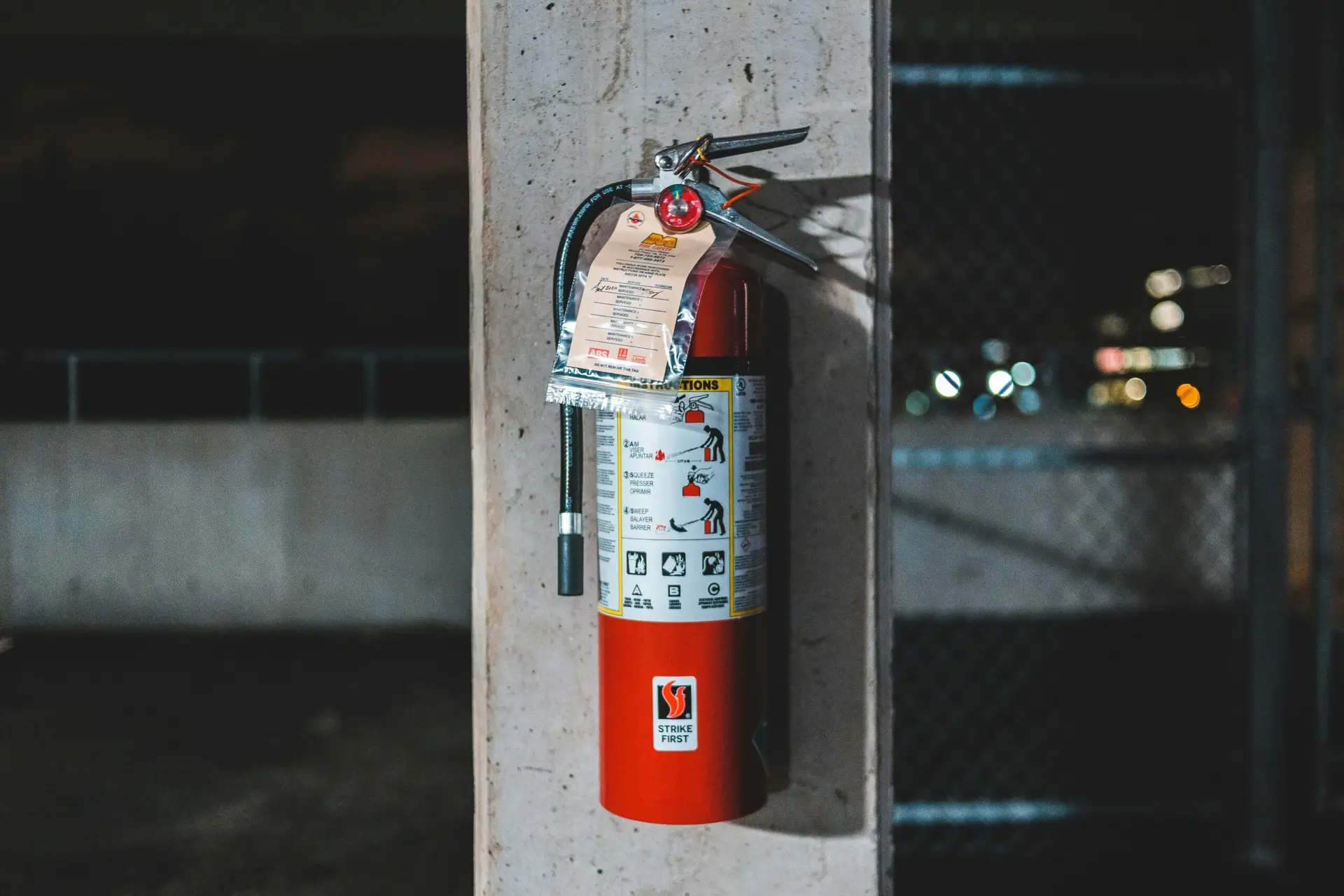
Protect your people and property with properly installed fire extinguishers. Our trained professionals will assess your space, recommend the right extinguisher types, and ensure each unit is installed in full compliance with NFPA 10 standards. We make sure your extinguishers are accessible, visible, and ready when you need them most.
Fire Extinguisher Inspection
Stay compliant and ready for emergencies with our certified fire extinguisher inspection services. We perform thorough monthly and annual inspections to check pressure, physical condition, and accessibility. Our detailed reports keep you informed and help ensure you meet local fire code requirements.
Fire Extinguisher Maintenance
Keep your portable fire extinguishers operating at peak performance. We offer complete maintenance services, including recharging, hydrostatic testing, and part replacement. Whether after use or as part of routine care, our team ensures your extinguishers remain reliable and ready for action.
Homer Fire Protection provides NAFED-certified fire extinguisher sales, inspection, maintenance, recharging, and hydrostatic testing for commercial and industrial buildings across Northern Virginia, Maryland, and Washington DC. Our licensed technicians perform all services in full compliance with NFPA 10 and local fire codes enforced by Virginia, Maryland, and DC fire marshals. Whether you manage a single office building, a portfolio of commercial properties, or a government facility, we handle every aspect of portable fire extinguisher compliance so you can focus on running your business.
We carry and service all major extinguisher types, including ABC dry chemical, Class K wet chemical for commercial kitchens, CO2 for server rooms and data centers, and clean agent systems for sensitive environments. Every inspection includes a detailed compliance report documenting the condition, charge status, and next service date for each unit on your premises.
NFPA 10 Compliance: Fire Extinguisher Inspection Requirements in Virginia, Maryland & DC
Fire extinguishers must be inspected annually by a certified technician per NFPA 10 (Standard for Portable Fire Extinguishers). In Virginia, Maryland, and Washington DC, local fire marshals require documented proof of these inspections during building compliance reviews. Failure to maintain current inspection records can result in fines, failed fire inspections, and potential liability exposure if a fire occurs.
Inspection Schedule Required by NFPA 10
Monthly visual checks verify that each extinguisher is in its designated location, the pressure gauge reads in the green zone, the safety pin and tamper seal are intact, and there is no visible damage or obstruction. Building owners or facility managers can perform these checks internally.
Annual professional inspections must be conducted by a certified fire protection technician. The technician examines the mechanical components, verifies the agent charge weight, checks the hose and nozzle condition, and affixes a dated inspection tag. Homer Fire Protection’s NAFED-certified technicians perform these inspections across Northern Virginia, Maryland, and DC.
6-year maintenance requires a complete internal examination of stored-pressure extinguishers. The technician empties the extinguisher, inspects internal components for corrosion or damage, replaces worn parts, recharges the unit, and applies a new 6-year maintenance label.
12-year hydrostatic testing subjects the extinguisher cylinder to a pressure test to verify structural integrity. Units that fail hydrostatic testing must be condemned and replaced. Certain extinguisher types, including CO2 units, follow a 5-year hydrostatic testing cycle instead.
Virginia, Maryland & DC Fire Code Requirements
Each jurisdiction in the DMV region enforces fire extinguisher requirements through its own fire prevention code, all of which reference NFPA 10 as the baseline standard:
Virginia follows the Virginia Statewide Fire Prevention Code (VSFPC), which adopts NFPA 10 and is enforced by local fire marshals. Commercial buildings must maintain fire extinguishers appropriate to the hazard classification of each area, and inspection records must be available for review during fire marshal visits.
Maryland enforces fire extinguisher requirements through COMAR 29.06 (Code of Maryland Regulations), which references NFPA 10. County-level fire marshals in Montgomery, Prince George’s, and other counties may impose additional requirements beyond the state baseline.
Washington, DC follows the DC Fire Prevention Code, which incorporates NFPA 10 requirements. The DC Fire and EMS Department conducts periodic inspections of commercial buildings to verify compliance with extinguisher placement, maintenance, and documentation requirements.
Penalties for Non-Compliance
Buildings found out of compliance during fire marshal inspections may face citation fines ranging from several hundred to several thousand dollars per violation, depending on the jurisdiction and severity. Repeated violations can result in occupancy restrictions or forced closure until deficiencies are corrected. Beyond regulatory penalties, buildings without properly maintained fire extinguishers face increased insurance premiums and significant liability exposure in the event of a fire-related injury or property damage claim.
Types of Fire Extinguishers for Commercial Buildings
Selecting the correct fire extinguisher types for your commercial property depends on the fire hazards present in each area. NFPA 10 classifies fires into categories and specifies which extinguisher types are rated for each class. Homer Fire Protection provides a free on-site hazard assessment to determine the right mix for your building.
ABC Dry Chemical Extinguishers are the most common type found in commercial buildings. They handle Class A fires (ordinary combustibles like paper, wood, and fabric), Class B fires (flammable liquids like gasoline, oil, and solvents), and Class C fires (energized electrical equipment). Most office buildings, retail spaces, and warehouses rely primarily on ABC extinguishers placed throughout general occupancy areas.
Class K Wet Chemical Extinguishers are required in any commercial kitchen that uses cooking oils, deep fryers, or grease-producing appliances. The wet chemical agent is specifically formulated to cool and suppress cooking oil fires, which burn at extremely high temperatures. Virginia, Maryland, and DC fire codes require Class K extinguishers within 30 feet of commercial cooking equipment, in addition to the overhead hood suppression system.
CO2 (Carbon Dioxide) Extinguishers are used in environments where a clean suppression agent is needed and residue from dry chemical agents would damage sensitive equipment. Server rooms, data centers, telecommunications closets, and laboratory spaces typically require CO2 extinguishers. The agent displaces oxygen to smother the fire without leaving chemical residue on electronics.
Clean Agent Extinguishers use halogenated agents (such as Halotron or FE-36) that evaporate after discharge, leaving no residue. They are specified for protecting high-value equipment, museums, archives, and clean rooms where even minimal contamination from dry chemical agents is unacceptable.
Water Mist Extinguishers are used in healthcare facilities, cleanrooms, and other environments where both electrical safety and clean suppression are required. They use de-ionized water dispersed as a fine mist, making them safe for use around electrical equipment while avoiding chemical agents.
Not sure which extinguisher types your building needs? Contact Homer Fire Protection at (703) 646-8290 for a free assessment. We serve commercial properties across Northern Virginia, Maryland, and Washington DC.
NFPA 10 Compliance: Fire Extinguisher Inspection Requirements in Virginia, Maryland & DC
Fire extinguishers must be inspected annually by a certified technician per NFPA 10 (Standard for Portable Fire Extinguishers). In Virginia, Maryland, and Washington DC, local fire marshals require documented proof of these inspections during building compliance reviews. Failure to maintain current inspection records can result in fines, failed fire inspections, and potential liability exposure if a fire occurs.
Inspection Schedule Required by NFPA 10
Monthly visual checks verify that each extinguisher is in its designated location, the pressure gauge reads in the green zone, the safety pin and tamper seal are intact, and there is no visible damage or obstruction. Building owners or facility managers can perform these checks internally.
Annual professional inspections must be conducted by a certified fire protection technician. The technician examines the extinguisher’s mechanical components, verifies the agent charge weight, checks the hose and nozzle condition, and affixes a dated inspection tag. Homer Fire Protection’s NAFED-certified technicians perform these inspections across Northern Virginia, Maryland, and DC.
6-year maintenance requires a complete internal examination of stored-pressure extinguishers. The technician empties the extinguisher, inspects internal components for corrosion or damage, replaces any worn parts, recharges the unit, and applies a new 6-year maintenance label.
12-year hydrostatic testing subjects the extinguisher cylinder to a pressure test to verify structural integrity. Units that fail hydrostatic testing must be condemned and replaced. Certain extinguisher types, including CO2 units, follow a 5-year hydrostatic testing cycle instead.
Virginia, Maryland & DC Fire Code Requirements
Each jurisdiction in the DMV region enforces fire extinguisher requirements through its own fire prevention code, all of which reference NFPA 10 as the baseline standard:
Virginia follows the Virginia Statewide Fire Prevention Code (VSFPC), which adopts NFPA 10 and is enforced by local fire marshals. Commercial buildings must maintain fire extinguishers appropriate to the hazard classification of each area, and inspection records must be available for review during fire marshal visits.
Maryland enforces fire extinguisher requirements through COMAR 29.06 (Code of Maryland Regulations), which references NFPA 10. County-level fire marshals in Montgomery, Prince George’s, and other counties may impose additional requirements beyond the state baseline.
Washington, DC follows the DC Fire Prevention Code, which incorporates NFPA 10 requirements. The DC Fire and EMS Department conducts periodic inspections of commercial buildings to verify compliance with extinguisher placement, maintenance, and documentation requirements.
Penalties for Non-Compliance
Buildings found out of compliance during fire marshal inspections may face citation fines ranging from several hundred to several thousand dollars per violation, depending on the jurisdiction and severity. Repeated violations can result in occupancy restrictions or forced closure until deficiencies are corrected. Beyond regulatory penalties, buildings without properly maintained fire extinguishers face increased insurance premiums and significant liability exposure in the event of a fire-related injury or property damage claim.
Protect Your Property
Get the latest fire safety tips delivered straight to your inbox.
Schedule A Free Consultation Today
Schedule a free consultation today to discover how fire suppression systems can enhance safety and ensure compliance with fire safety regulations. Suppression systems effectively extinguish fires without residue or damage, protecting both assets and personnel.
Get expert advice on how to tailor these systems to your needs and stay compliant with safety standards. Don’t wait—book your consultation now for comprehensive fire protection.

Fire Extinguisher FAQs
Use a fire extinguisher only if:
The fire is small and contained (like a trash can fire).
You have a clear escape route.
You know how to use the extinguisher properly. If the fire is spreading or the room is filling with smoke, evacuate immediately and call 911.
Remember the PASS method:
Pull the pin.
Aim the nozzle at the base of the fire.
Squeeze the handle.
Sweep side to side until the fire is out.
It depends on the extinguisher type:
Class A – Ordinary combustibles (wood, paper, cloth).
Class B – Flammable liquids (gasoline, oil, paint).
Class C – Electrical fires.
Class D – Flammable metals (specialized environments).
Class K – Cooking oils and grease fires (kitchens).
You should:
Check monthly for pressure, damage, and accessibility.
Get a professional inspection annually (as required by NFPA 10).
Yes. Most fire extinguishers need servicing or replacement every 5 to 12 years depending on the type. Always check the manufacturer’s label and service tag.
No — even if you used only a small amount, extinguishers lose pressure and should be recharged or replaced after any use.
Lets talk now?
Ready to protect your space with top-tier safety solutions? Don’t wait for a fire emergency to strike—act now to secure a fire extinguisher system for your facility. Our expert team is here to ensure you have the right equipment and support to keep your environment safe. Contact us today by phone, email, or through our online form to get started. Your safety is our priority, and we’re here to help every step of the way!
- 703-646-8290
- [email protected]
Or use this form.
Fire Extinguisher Service Areas
Homer Fire Protection provides NAFED-certified fire extinguisher sales, inspection, maintenance, and recharging services across the DMV region. Select your location:
Alexandria, VA | Arlington, VA | Springfield, VA | Falls Church, VA | Fairfax, VA | Washington, DC | Bethesda, MD
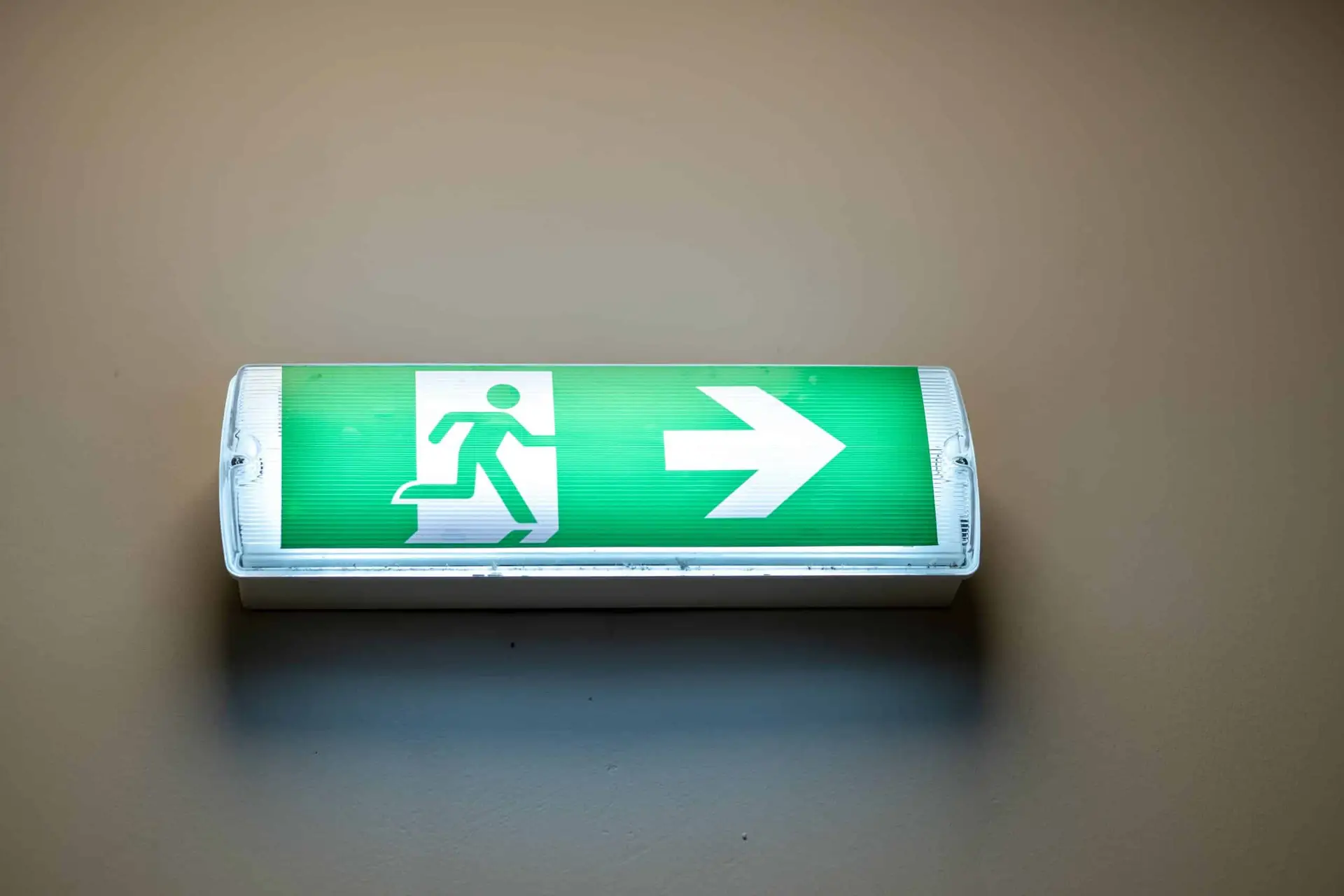
Looking for other fire protection services? Kitchen Suppression Systems · Emergency Lighting · Fire Extinguisher Training